Rug Pull Explained and How to Recognize It in Crypto Trading in 2026
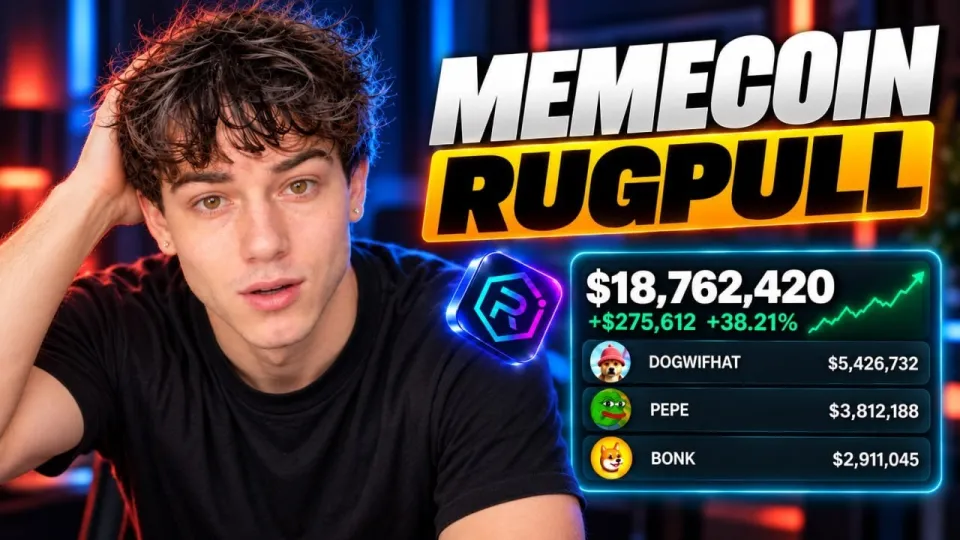
Video: Rug Pull Tutorial | Rug Pull and Creating a Solana Meme Coin
· based on the channel MC STUDIO
A rug pull is a type of crypto scam where developers create a token, attract investments, and suddenly withdraw liquidity, causing the token's price to crash and leaving investors with worthless assets. Understanding rug pulls is essential for traders and investors in the volatile cryptocurrency market, especially with the rise of meme coins on blockchains like Solana. For those interested in creating or researching Solana meme coins, platforms like specmint.cc offer tools for token creation and launch.
What Is a Rug Pull in Cryptocurrency
A rug pull occurs when the creators of a token or project remove the liquidity that supports the token’s market value without warning. This act makes it impossible for investors to sell their tokens at any meaningful price, effectively stealing funds from the community. Rug pulls usually happen after a token gains some popularity and liquidity has been provided on decentralized exchanges (DEXs), such as Raydium on Solana.
There are several patterns of rug pulls, but the core characteristic is the sudden withdrawal or locking manipulation of liquidity, which leads to a rapid price crash. This scam exploits the decentralized and often anonymous nature of crypto projects.
How Solana Meme Coins Are Created and Launched
Creating a meme coin on Solana involves several technical steps:
- Token Setup: Developers use Solana’s SPL token standard to create tokens with defined supply, mint authority, and freeze authority.
- Liquidity Deployment: Liquidity pools are created on platforms like pump.fun or Raydium, where users can trade the token against SOL or stablecoins.
- Token Launch: The token is distributed and listed on DEXs, sometimes with bonding curves or other mechanisms to attract investors.
Each step involves smart contract permissions, especially mint and freeze authorities, which if misused, can facilitate rug pulls.
Understanding Token Supply, Authorities, and Liquidity
Token supply controls how many tokens exist and who can mint new ones. Key authorities include:
- Mint Authority: Controls the creation of new tokens.
- Freeze Authority: Can halt token transfers temporarily.
Liquidity in pools ensures tokens can be bought and sold. However, if liquidity providers—often the token developers—remove liquidity without notice, the price collapses, causing a rug pull.
Recognizing Common Rug Pull Patterns and Red Flags
Investors should watch for these warning signs:
- Unlocked or Developer-Controlled Liquidity: Liquidity that can be withdrawn instantly by developers.
- High Token Supply with Mint Authority Retained: Ability to mint new tokens dilutes value.
- No or Poorly Audited Smart Contracts: Increases risk of malicious code.
- Rapid Price Increases Without Clear Use Case: Often a pump to attract uninformed buyers.
- Anonymous or Unverified Developers: Lack of accountability.
Understanding these patterns helps avoid falling victim to scams.
How Liquidity and Token Prices May Be Manipulated
Liquidity manipulation involves adding and removing funds from liquidity pools to control token price artificially. Developers use bonding curves and liquidity pools to create illusions of demand. When liquidity is suddenly removed or locked improperly, investors cannot sell tokens, resulting in losses.
Manipulation is often paired with hype, social media promotion, and misleading information to entice investors before pulling the rug.
Essential Security Checks Before Buying a New Token
Before investing in new tokens, especially meme coins, perform these checks:
- Verify Token Contract: Confirm the legitimacy of the token contract on Solana explorers.
- Check Liquidity Lock Status: Ensure liquidity is locked for a reasonable period.
- Analyze Wallet Distribution: Avoid tokens heavily held by few wallets.
- Review Developer Reputation: Research team background and community feedback.
- Audit Reports: Prefer tokens with third-party security audits.
These practices reduce risk and help make safer investment decisions.
Useful Links
- Token creation and launch tool: https://specmint.cc
Итог
Rug pulls remain a significant threat in the crypto space, particularly with the proliferation of meme coins on platforms like Solana. Understanding how rug pulls work, recognizing warning signs, and conducting thorough security checks are crucial for protecting investments. The tutorial by MC STUDIO provides a comprehensive overview of creating Solana meme coins, liquidity mechanics, and rug pull detection techniques that empower both developers and investors. For practical tools and further learning, visit specmint.cc to explore token creation and security features.
Key takeaways
- Rug pulls involve sudden withdrawal of liquidity causing token price collapse.
- Solana meme coins are often targets of rug pulls via liquidity manipulation.
- Key platforms: pump.fun and Raydium for token launch and liquidity setup.
- Token authorities control minting and liquidity, critical for rug pull risk.
- Security checks and awareness help investors avoid rug pull scams.
Source: Rug Pull Tutorial | Rug Pull and Creating a Solana Meme Coin · Markdown version
Questions & answers
What exactly is a rug pull in cryptocurrency?
A rug pull is a scam where token creators withdraw liquidity suddenly from a token's trading pool, causing the token's price to crash and trapping investors in worthless assets.
How can I identify potential rug pulls before investing?
Look for red flags like developer-controlled liquidity, unlocked liquidity pools, high token supply with minting rights held by developers, lack of audits, anonymous teams, and rapid unexplained price spikes.
What role do platforms like pump.fun and Raydium play in rug pulls?
These platforms facilitate token launches and liquidity pools on Solana. Malicious developers can exploit these by adding liquidity and then withdrawing it abruptly, causing rug pulls.
What security checks should investors perform before buying new tokens?
Investors should verify the token contract on Solana explorers, check if liquidity is locked, analyze wallet distribution, research the developer team, and prefer tokens with third-party audit reports.